The Local Expert’s Checklist for Post-Remediation Verification in Winchester
Post-remediation verification isn’t just a formality—it’s the only way to confirm mold is gone for good. We’ve seen too many Winchester homes pass a quick visual check, only for hidden spores to regain a foothold. Our team uses a multi-step process to ensure your space is safe, dry, and mold-free.
Why Post-Remediation Verification Matters
Mold remediation removes visible growth, but microscopic spores can linger in air ducts, behind walls, or under flooring. Without verification, you risk reinfestation within weeks.
Winchester’s humid summers and wet springs create ideal conditions for rebound growth. Even a small moisture source—like a hidden leak in Kernstown or poor attic ventilation in Stephens City—can undo all the work.
A ‘clean’ visual inspection is not enough. Air and surface testing are required to meet industry standards and protect your health.
Visual Inspection: The First Line of Defense
We start with a thorough visual scan of all remediated areas, including attics, crawl spaces, and basements. Even in well-lit spaces, we use high-powered flashlights to spot residual staining or new growth.
Pay special attention to high-risk zones: around HVAC systems, under sinks, and near past water damage in areas like Stephenson or Middletown. Mold loves to hide where moisture lingers.
Air Quality Testing: The Invisible Threat
Air testing captures mold spores that aren’t visible to the naked eye. We compare indoor spore counts to outdoor baselines—if indoor levels are higher, remediation wasn’t fully successful.
For Winchester homes, we often recommend ERMI or HERTSMI-2 tests. These DNA-based methods identify species and concentrations, giving a clearer picture than basic spore traps.
| Method | What It Measures | Best For |
|---|---|---|
| Spore Trap | Non-viable spores in air | General screening |
| ERMI | 36 specific mold species (DNA) | Detailed species identification |
| HERTSMI-2 | 5 water-damage indicator species | Quick risk assessment |
| Swab/ Surface | Mold on surfaces | Confirming visible growth |
Moisture Mapping: Stopping Mold at the Source
Mold can’t grow without moisture. We use thermal imaging and moisture meters to check walls, floors, and ceilings for hidden dampness—common in older Winchester homes or after water damage restoration.
Crawl spaces and basements are prime culprits. Without proper encapsulation or dehumidification, these areas stay humid year-round, inviting mold back.
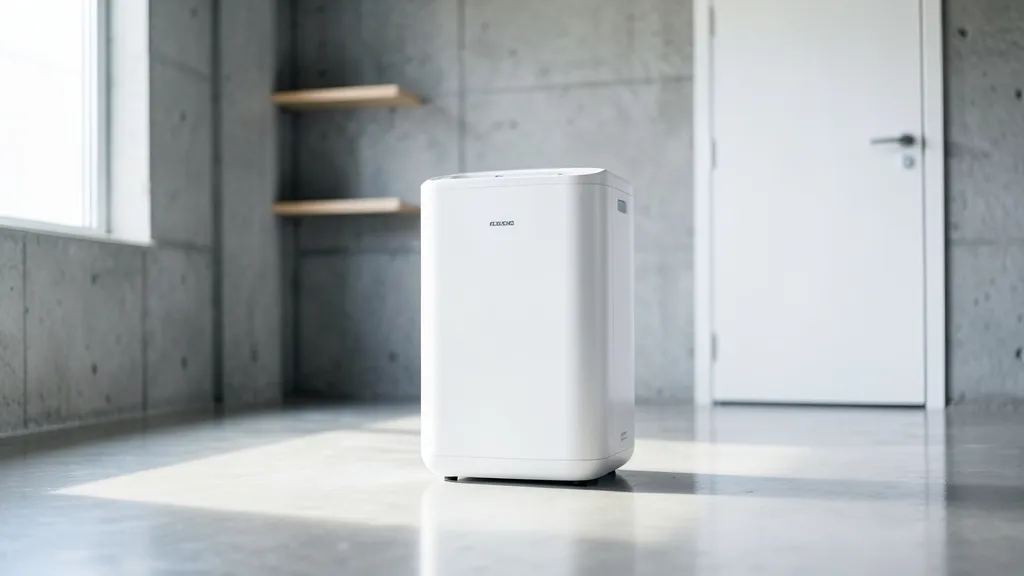
Install a dehumidifier in crawl spaces and basements. Aim for 30-50% relative humidity to keep mold from returning.
Surface Testing: Confirming Cleanup
Swab or tape-lift tests verify that surfaces are truly clean. We target areas that were heavily infested before remediation, like drywall, insulation, or framing in attics and crawl spaces.
If lab results show elevated spores, we’ll revisit those areas for additional cleaning or, in severe cases, re-remediation. This step is critical for commercial mold remediation projects, too.
Clearance Testing: The Final Seal of Approval
Clearance testing is the industry-standard final check. An independent third-party (not the remediation company) conducts the tests to avoid bias. This is non-negotiable for commercial properties and recommended for residential jobs.
In Winchester, we follow EPA and IICRC guidelines. If results pass, you’ll receive a certificate confirming the space meets safe mold spore levels.
Common Pitfalls We See in Winchester
DIY remediation often misses hidden mold in HVAC systems or behind baseboards. Without proper containment, spores spread to other areas of the home during cleanup.
Another issue? Skipping moisture control. We’ve responded to callbacks in Stephens City and Middletown where homeowners didn’t address the root cause—a leaky pipe or poor drainage—leading to rapid regrowth.
Proper containment with plastic sheeting and negative air pressure prevents spores from migrating during remediation. Cutting corners here risks cross-contamination.
How to Prepare for Post-Remediation Verification
A smooth verification process starts with the right prep work.
- 1Wait 24-48 Hours
Allow time for dust to settle after remediation. Testing too soon can skew results with elevated particulate levels.
- 2Avoid Disturbing Areas
Don’t clean or move items in remediated spaces. This ensures accurate air and surface samples.
- 3Run HVAC Normally
Keep your system running as usual so air testing reflects real-world conditions.
- 4Document Past Issues
Provide your inspector with photos or notes on pre-remediation mold locations and moisture problems.
- 5Clear Access
Ensure attics, crawl spaces, and basements are accessible for thorough inspection and testing.
Frequently Asked Questions
How soon after remediation can verification testing be done?
We recommend waiting at least 24 hours, but 48 hours is ideal. This allows any disturbed spores to settle and gives a more accurate reading. Testing too early can lead to false positives.
Is post-remediation verification required by law in Virginia?
Virginia doesn’t mandate post-remediation verification for residential properties, but it’s strongly advised. Commercial projects often require it for insurance or compliance. Always check local Winchester or county regulations.
Can I do my own post-remediation testing?
While DIY test kits are available, they lack the precision of professional equipment and lab analysis. For reliable results—especially in high-stakes cases like attic or crawl space remediation—hire an inspector.
What happens if my home fails post-remediation verification?
If test results show elevated mold levels, we’ll identify the source—whether it’s incomplete cleanup, hidden moisture, or cross-contamination. Additional remediation or moisture control measures will be needed before retesting.
Does post-remediation verification include fixing new issues found?
Verification focuses on testing and inspection. If new problems are found—like a hidden water leak in a Stephens City home—we’ll outline the next steps, which may include water damage restoration or further mold removal. Costs depend on the scope, so request a quote.
How long does the entire verification process take?
On-site inspection and testing typically take 1-3 hours, depending on the size of your home. Lab results usually arrive within 24-48 hours. For large or commercial properties in areas like Kernstown, allow extra time.